A practical and comprehensive guide to planning a trip to Lombok, including the best places to visit, things to do, transport and travel tips.
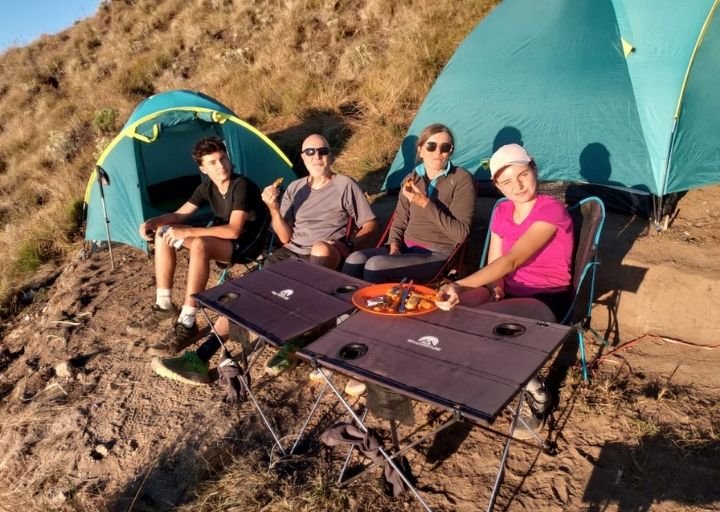
Standing at 3,726 metres above sea level, Mount Rinjani is one of Indonesia’s most iconic volcanic landscapes and one of the major adventure experiences in Lombok.
The mountain is part of Mount Rinjani National Park, a protected landscape known for its volcanic terrain, forests, savannah, crater lake and diverse ecosystems.
For trekkers, Rinjani is not simply about reaching the summit.
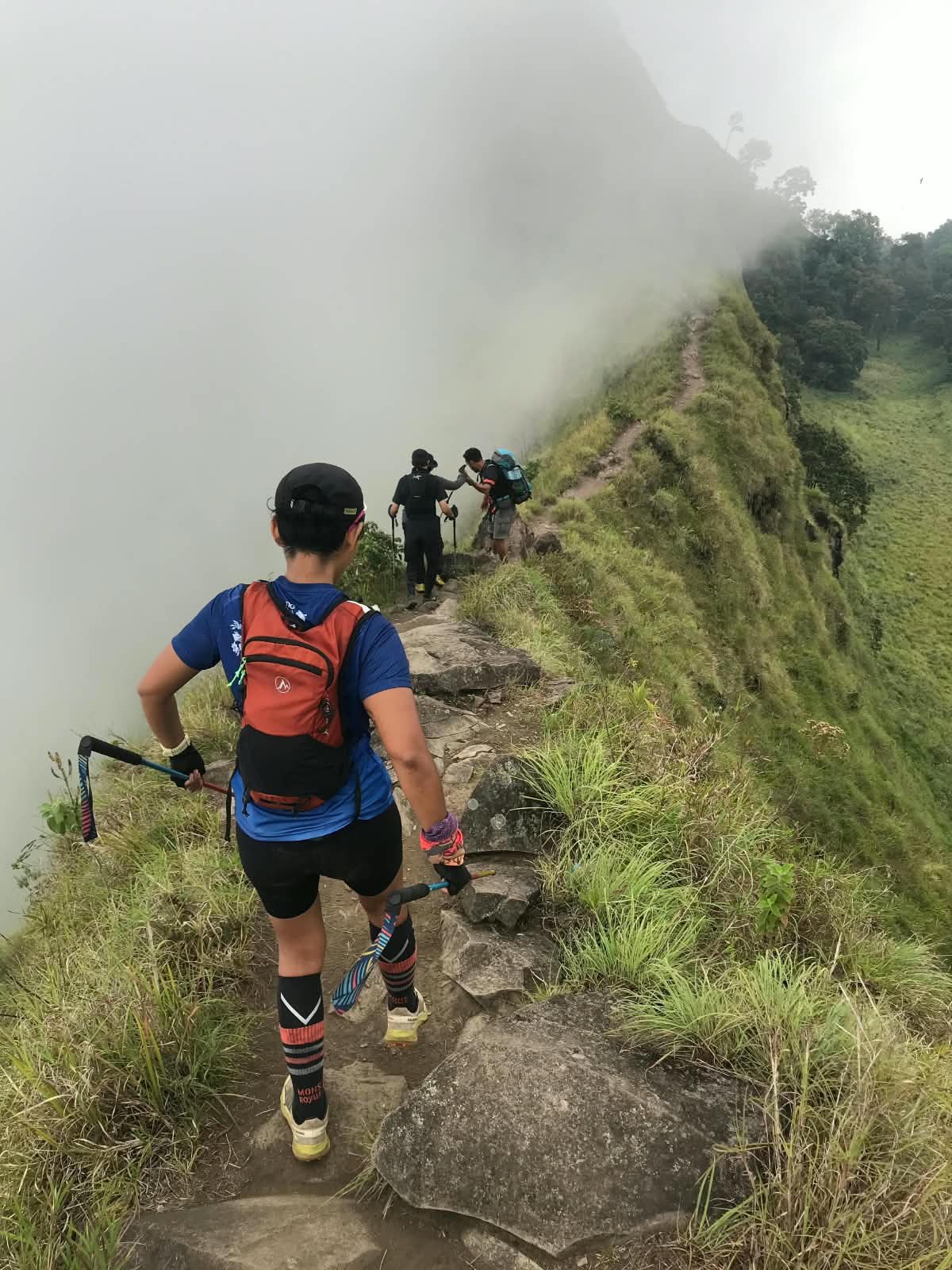
The journey can include dramatic ridgelines, wide-open savannah, volcanic landscapes, Segara Anak Lake, sunrise views and encounters with the communities living around the mountain.
But Rinjani is also a serious mountain trek.
Trail conditions can be demanding, weather can change quickly and official access rules can change depending on safety and conservation conditions.
This Mount Rinjani trekking guide explains the main routes, what to expect, how to prepare and what you should know before planning your trek.
Important 2026 update: As of September 2026, the Rinjani National Park authority has announced a limited opening of nature tourism activities from 1 September 2026 because of wildfire risk. Online eRinjani booking has been temporarily suspended while the risk is assessed. Treks already booked and paid for before the suspension may be served according to the applicable rules. Always check the latest official TNGR announcement before planning or confirming a trek.
Where Is Mount Rinjani?
Mount Rinjani is located on Lombok Island, West Nusa Tenggara, Indonesia.
The mountain and surrounding national park cover a large area of northern and eastern Lombok.
The most well-known trekking access points are:
- Sembalun
- Senaru
In 2026, the national park identifies six trekking routes: Senaru, Torean, Sembalun, Timbanuh, Tetebatu and Aik Berik.
For most international visitors planning a classic Rinjani trek, however, Sembalun and Senaru remain the two main routes to understand first.
Why Trek Mount Rinjani?
Rinjani offers a combination of landscapes that changes dramatically during the trek.
Depending on your route, you may walk through:
- Tropical forest
- Open savannah
- Mountain grasslands
- Volcanic slopes
- Rocky ridges
- Crater landscapes
- Alpine-like terrain
- Segara Anak Lake
The crater lake and Mount Barujari volcano create one of the most distinctive landscapes in the region. The national park also contains natural hot springs around Segara Anak.
For many trekkers, the experience is a combination of physical challenge and spectacular scenery.
Mount Rinjani Trekking Routes
Sembalun Route
The Sembalun route is one of the main routes used by trekkers aiming for the Rinjani summit.
The lower section is characterized by open landscapes and savannah rather than dense forest.
Indonesia Travel describes the Sembalun route as relatively gradual at the beginning, but increasingly challenging as it approaches the summit.
One of the major advantages of the route is the landscape.
You can see broad grasslands and mountain ridges as you climb higher.
The difficult section comes later, particularly the steep ascent toward the summit.
Typical Sembalun Experience
A classic itinerary may involve:
Sembalun Village → Base Camp → Plawangan Sembalun → Summit → Segara Anak → Exit
The exact route and number of days depend on the trekking package and current park regulations.
Senaru Route
The Senaru route provides a contrasting experience.
Instead of beginning in open savannah, the route passes through denser forest before reaching the higher crater-rim areas.
Indonesia Travel describes Senaru as steeper and more heavily forested than Sembalun.
This route is particularly attractive to trekkers who want to experience Rinjani’s forest landscape and crater rim.
Typical Senaru Experience
A classic route may involve:
Senaru → Forest → Plawangan Senaru → Segara Anak → Sembalun
Depending on the itinerary, trekkers can continue towards the summit before descending.
Sembalun vs Senaru
| Sembalun | Senaru |
|---|---|
| Open savannah | Dense forest |
| Wide mountain views | Forest scenery |
| Major summit access | Classic crater-rim approach |
| Challenging summit ascent | Steeper forest sections |
| Popular for summit-focused treks | Popular for crater and lake itineraries |
Neither route is simply an “easy” option.
The better route depends on your itinerary, fitness, experience and what you want to see.
Mount Rinjani Summit Trek
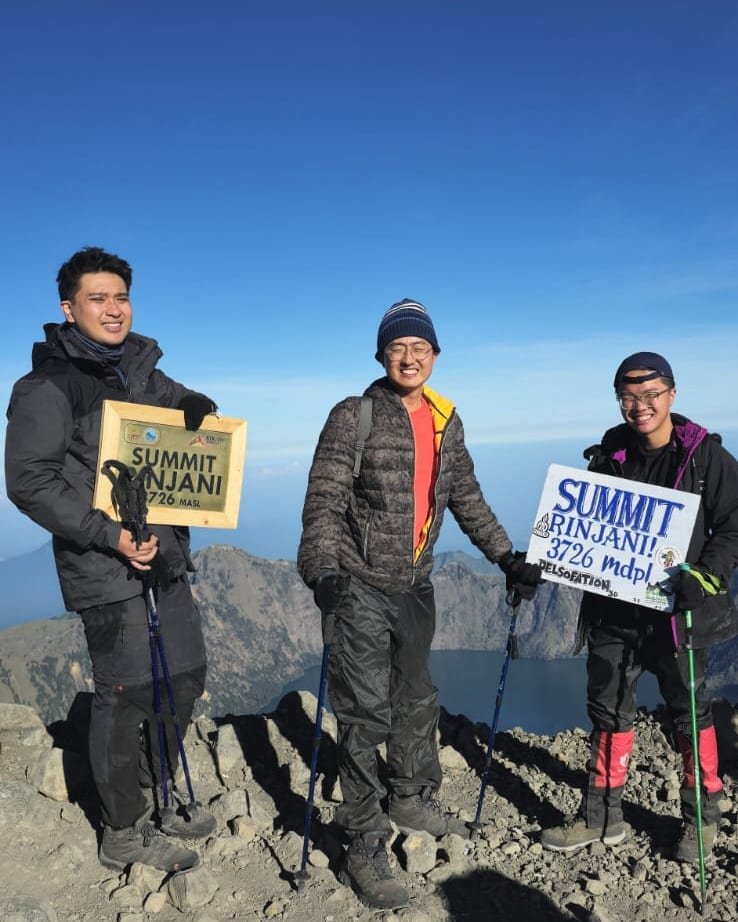
For many trekkers, reaching the 3,726-metre summit is the main objective.
The summit section is physically demanding.
From the high camp, the ascent involves steep volcanic terrain, loose material and a long uphill section.
The difficulty is not only the elevation.
The terrain can make every step slow and physically demanding.
For that reason, trekkers should not treat the summit climb like a normal sightseeing activity.
Good preparation is essential.
What Is the Summit Experience Like?
A typical summit attempt starts very early, often during the night, so trekkers can reach the summit around sunrise.
The reward can be panoramic views across Lombok and the surrounding landscape when weather conditions are clear.
However, summit success should never be considered guaranteed.
Weather, physical condition, trail conditions and instructions from park personnel can all affect the decision to continue.
Safety should take priority over reaching the summit.
Segara Anak Lake
One of the most spectacular features of Mount Rinjani is Segara Anak Lake.
The crater lake sits inside the Rinjani caldera and is surrounded by dramatic volcanic walls.
Mount Barujari rises from within the broader caldera landscape, contributing to the distinctive volcanic scenery.
For many multi-day trekkers, reaching Segara Anak is one of the highlights of the journey.
The descent from the crater rim to the lake can be physically demanding, and the terrain should not be underestimated.
Natural Hot Springs
Natural hot springs can be found around the Segara Anak area.
They offer a memorable experience after a long day of trekking.
However, access and conditions can vary, so follow the instructions of guides and park officials.
How Many Days Do You Need for Rinjani?
The appropriate duration depends on your chosen route and objective.
Common trekking itineraries include:
2 Days 1 Night
Usually focused on reaching the summit from Sembalun and returning.
This is a demanding itinerary and requires strong physical preparation.
3 Days 2 Nights
Allows more time for the mountain landscape and can include the summit and Segara Anak depending on the route and current regulations.
4 Days 3 Nights
Provides a slower itinerary and more time to experience the crater, lake and surrounding landscape.
Indonesia Travel describes a classic multi-day experience between Senaru and Sembalun, with longer itineraries allowing trekkers to combine the crater rim, Segara Anak and summit.
The exact itinerary should always follow the route and duration approved through the current national park system.
Mount Rinjani Trekking Difficulty
Mount Rinjani should be considered a challenging mountain trek.
You do not need to be an elite athlete, but you should be prepared for:
- Long walking days
- Steep climbs
- Uneven terrain
- Loose volcanic soil
- Cold temperatures
- Limited sleep
- Significant elevation gain
- Changing weather
- Carrying or managing trekking equipment
The summit section can be particularly demanding.
Who Is Rinjani Suitable For?
Rinjani can be suitable for travelers who:
- Regularly exercise
- Have hiking experience
- Can walk for several hours
- Are comfortable with steep terrain
- Understand that mountain weather can change quickly
- Are prepared for basic camping conditions
If you have little or no hiking experience, discuss the route and itinerary honestly with a qualified trekking organizer before booking.
Physical Preparation for Rinjani
Preparation should begin before your trip.
You can train through:
Walking
Increase the distance gradually.
Stairs
Stair training can help prepare your legs for long climbs and descents.
Hiking
If possible, practice on actual hills or mountains.
Strength Training
Focus on:
- Legs
- Glutes
- Core
- Calves
Cardiovascular Training
Activities such as:
- Running
- Cycling
- Swimming
- Brisk walking
can help improve endurance.
The goal is not simply to become stronger.
It is to prepare your body for several hours of continuous movement on uneven terrain.
What to Pack for Mount Rinjani
Your exact equipment requirements depend on the itinerary and trekking operator, but a typical packing list includes:
Clothing
- Quick-dry shirts
- Trekking pants
- Warm layers
- Fleece or insulated jacket
- Waterproof jacket
- Spare socks
- Gloves
- Hat or beanie
Footwear
- Proper hiking shoes
- Extra socks
- Sandals for camp
Personal Equipment
- Headlamp
- Power bank
- Water bottle
- Small backpack
- Sunscreen
- Sunglasses
- Personal medication
- Toiletries
- Wet wipes
- Small towel
Camping Equipment
Depending on the trekking package, the organizer may provide:
- Tent
- Sleeping equipment
- Cooking equipment
- Meals
- Porter services
Confirm exactly what is included before your trek.
What About Food and Water?
Multi-day Rinjani treks require careful water planning.
Your trekking organizer should explain where water is available along the route and how much you need to carry.
Meals are commonly prepared as part of organized trekking packages.
However, dietary requirements should be communicated in advance.
If you have allergies or specific dietary needs, tell the trekking organizer before departure.
Guide and Porter for Rinjani
Trekking support is an important part of a Rinjani experience.
The official national park regulations state that Indonesian trekkers are encouraged to use registered local mountain guides and/or porters, while foreign trekkers are required to use Trekking Organizers (TO).
This is more than simply hiring someone to carry equipment.
A qualified local team can provide support with:
- Route navigation
- Campsite arrangements
- Meals
- Equipment
- Local knowledge
- Safety communication
In June 2026, the national park also announced new arrangements for registering and identifying guides and porters, with a card-pass requirement scheduled to take effect from 1 April 2027.
Because regulations can change, always confirm the current requirements before booking.
Rinjani Safety
Safety should be the first consideration when planning a Rinjani trek.
The national park has introduced several safety and monitoring initiatives, including communication systems, real-time location monitoring concepts and an integrated command center.
Trail infrastructure has also been undergoing maintenance, including work on sections of the Sembalun and Senaru routes.
However, infrastructure does not eliminate the risks of mountain trekking.
Important Safety Principles
Follow Your Guide
Do not leave the approved route without authorization.
Follow Park Instructions
If park personnel instruct trekkers to stop or turn back, follow their instructions.
Monitor Your Condition
Do not continue simply because you have already paid for the trek.
Respect Weather Conditions
Rain, strong wind, fog, heat and dry conditions can all affect the trail.
Stay With Your Group
Avoid hiking alone, particularly in difficult terrain or poor visibility.
Protect Yourself From the Sun
The open sections of Sembalun can have significant sun exposure.
Carry Enough Water
Follow the water recommendations of your guide or trekking organizer.
Rinjani Weather and Trekking Season
Rinjani’s trekking conditions are strongly influenced by weather.
The national park routinely closes trekking routes from 1 January to 31 March for ecosystem recovery and safety reasons, although additional closures can occur because of weather, natural disasters or other circumstances.
However, the normal seasonal calendar should not be treated as a guarantee that routes will be open.
2026 Is a Good Example
Rinjani reopened after its regular early-year closure, but the national park later announced a limited opening from 1 September 2026 because of wildfire risk. eRinjani online booking was temporarily suspended from that date until conditions were considered safe.
This is why travelers should check the latest official announcement immediately before booking and again before departure.
Rinjani National Park Rules
Rinjani is a protected national park, not simply a recreational hiking area.
Trekkers are expected to:
- Stay on designated routes
- Follow park regulations
- Manage waste responsibly
- Avoid damaging vegetation
- Avoid disturbing wildlife
- Follow fire restrictions
- Respect local communities
- Follow instructions from park officers
The national park has also been developing digital waste-management and monitoring systems as part of its sustainability efforts.
Leave No Trace
Bring your rubbish back with you.
Avoid unnecessary single-use plastic.
Do not leave food waste along the trail.
Do not damage plants or collect natural objects.
Rinjani’s landscapes are part of a protected ecosystem and need to be preserved for future visitors.
How to Get to Mount Rinjani
Most international visitors arrive in Lombok through:
Lombok International Airport
or
Sea connections from Bali and other Indonesian destinations.
From there, travelers continue by road to the selected trekking entrance.
Getting to Sembalun
Sembalun is located in East Lombok.
The journey from Mataram or Lombok International Airport takes several hours by road, depending on traffic and route conditions.
Getting to Senaru
Senaru is located in North Lombok.
It can also be reached by road from Mataram and Lombok International Airport.
Indonesia Travel identifies Sembalun and Senaru as the two principal starting points for Mount Rinjani trekking.
If you are traveling to Lombok specifically for Rinjani, allow enough time for transfers rather than scheduling a trek immediately after a late arrival.
For general transport information How to Get to Lombok
Where to Stay Before Rinjani Trekking
Most trekkers stay near their chosen starting point before the trek.
Sembalun
Useful if you are starting from Sembalun.
Senaru
Useful if you are starting from Senaru.
Staying nearby allows you to:
- Sleep before an early start
- Meet your trekking team
- Organize equipment
- Complete final preparations
- Reduce transfer stress
For travelers staying in Tetebatu, it may also be possible to combine a Tetebatu experience with a Rinjani itinerary, depending on the selected route.
See our Tetebatu Travel Guide
Rinjani Trekking Cost
The total cost of a Rinjani trek depends on several factors, including:
- Number of trekking days
- Route
- Trekking organizer
- Number of travelers
- Guide
- Porter
- Meals
- Camping equipment
- Transportation
- Park fees
- Additional services
Because official fees and operational conditions can change, we do not recommend publishing a fixed price in this evergreen article unless the price is verified and updated regularly.
For a commercial page, Lombok DMC can instead provide current pricing based on:
Route + Duration + Number of Travelers + Service Level
This keeps the article useful while avoiding outdated pricing information.
Private Rinjani Trek vs Group Trek
Travelers generally have different preferences when choosing a trekking arrangement.
Private Trek
A private trek gives you greater flexibility regarding:
- Group composition
- Pace
- Transport
- Accommodation
- Additional Lombok activities
It can be particularly suitable for couples, families and small groups.
Group Trek
A shared trek can allow travelers to meet other hikers and potentially reduce the per-person cost.
However, the group follows a shared itinerary and pace.
The choice depends on your travel style, budget and preferred level of flexibility.
Can You Combine Rinjani with Other Lombok Destinations?
Yes.
Rinjani can be combined with other parts of Lombok to create a broader itinerary.
Rinjani + Tetebatu
Good for travelers interested in:
- Mountains
- Rice fields
- Village life
- Nature
Rinjani + South Lombok
Good for combining:
- Trekking
- Beaches
- Surfing
- Sunset
Rinjani + Gili Islands
Good for combining:
- Mountain adventure
- Snorkeling
- Diving
- Island relaxation
For more information about the Gili Islands: Gili Islands Guide
Example Rinjani Itinerary
Because route access and permitted durations can change, the following should be treated as a planning example rather than a fixed official trekking schedule.
3 Days / 2 Nights Example
Day 1
Sembalun → Plawangan Sembalun
- Registration and preparation
- Trek through open landscapes
- Rest stops
- Continue towards the crater rim
- Camp overnight
Day 2
Crater Rim → Summit → Segara Anak
- Early summit attempt
- Return to camp
- Continue according to approved route
- Descend towards Segara Anak
- Camp overnight
Day 3
Segara Anak → Exit Route
- Morning preparation
- Continue through the approved route
- Descend towards the exit
- Transfer back to your accommodation
The actual itinerary must follow the route, duration and conditions approved by the national park.
Mount Rinjani for First-Time Trekkers
If this is your first mountain trek, Rinjani can be a significant challenge.
Before booking, ask yourself:
- Can I walk for several hours?
- Have I trained my legs?
- Am I comfortable camping?
- Can I handle steep climbs?
- Am I prepared for cold nights?
- Can I carry essential personal equipment?
- Am I comfortable following a guide’s instructions?
- Am I prepared to turn back if conditions become unsafe?
If the answer to some of these questions is no, consider building up your hiking experience before attempting a demanding Rinjani itinerary.
Rinjani for Non-Trekkers
You do not need to climb Mount Rinjani to experience the Rinjani region.
Nearby destinations provide easier alternatives, including:
- Tetebatu
- Sembalun
- Senaru
- Sendang Gile Waterfall
- Tiu Kelep Waterfall
- Scenic mountain villages
This can be a better option for travelers who want mountain scenery without a multi-day trek.
Frequently Asked Questions
How high is Mount Rinjani?
Mount Rinjani reaches approximately 3,726 metres above sea level.
Is Mount Rinjani difficult to climb?
Yes. Rinjani is a challenging mountain trek involving steep terrain, long walking days and difficult volcanic sections.
Which Rinjani route is better, Sembalun or Senaru?
They offer different experiences rather than one universally preferable route. Sembalun is characterized by open savannah and is a major route for summit attempts, while Senaru passes through denser forest and provides a different approach to the crater landscape.
Can beginners climb Mount Rinjani?
Some beginners may complete Rinjani with appropriate preparation and professional support, but the trek should not be underestimated. Physical preparation and honest assessment of your fitness are important.
How many days do I need for Rinjani?
Common itineraries range from two to four days, depending on the route and objectives. The permitted duration should follow the current national park system.
Can I reach the summit without going to Segara Anak?
Yes, some itineraries focus primarily on the summit, particularly from Sembalun. The exact route and duration depend on current regulations and the trekking program.
Can I trek Rinjani without a guide?
Foreign trekkers are required to use a Trekking Organizer under the national park’s stated regulations. Indonesian trekkers are encouraged to use registered local guides and/or porters.
Is Rinjani open all year?
No. Rinjani has regular closure periods and can also be closed or opened under special conditions because of weather, conservation or safety risks.
Is Rinjani currently open?
As of 16 September 2026, the national park has announced a limited opening from 1 September 2026 because of wildfire prevention measures. Online eRinjani booking has been temporarily suspended while the risk is evaluated. Check the latest official TNGR announcement before making a new booking.
Final Thoughts
Mount Rinjani is one of Lombok’s most remarkable adventure experiences, but it should be approached as a serious mountain trek rather than an ordinary tourist attraction.
The combination of Sembalun’s open landscapes, Senaru’s forests, volcanic ridges, Segara Anak and the summit creates an experience that can be both physically demanding and visually spectacular.
Preparation matters.
Choose your route carefully, train beforehand, use the required trekking services, follow park regulations and always prioritize safety over reaching a particular point on the mountain.
And most importantly, check the latest Rinjani National Park conditions before booking. The 2026 limited-opening policy demonstrates that access can change in response to environmental and safety risks.
Trek Mount Rinjani with Lombok DMC
Planning a Rinjani adventure as part of your Lombok trip?
Lombok DMC can help arrange trekking logistics, transportation, accommodation and customized Lombok itineraries, subject to current national park regulations and route availability.
You can also combine Rinjani with destinations such as Tetebatu, Sembalun, South Lombok or the Gili Islands.
Plan your Lombok adventure with us.